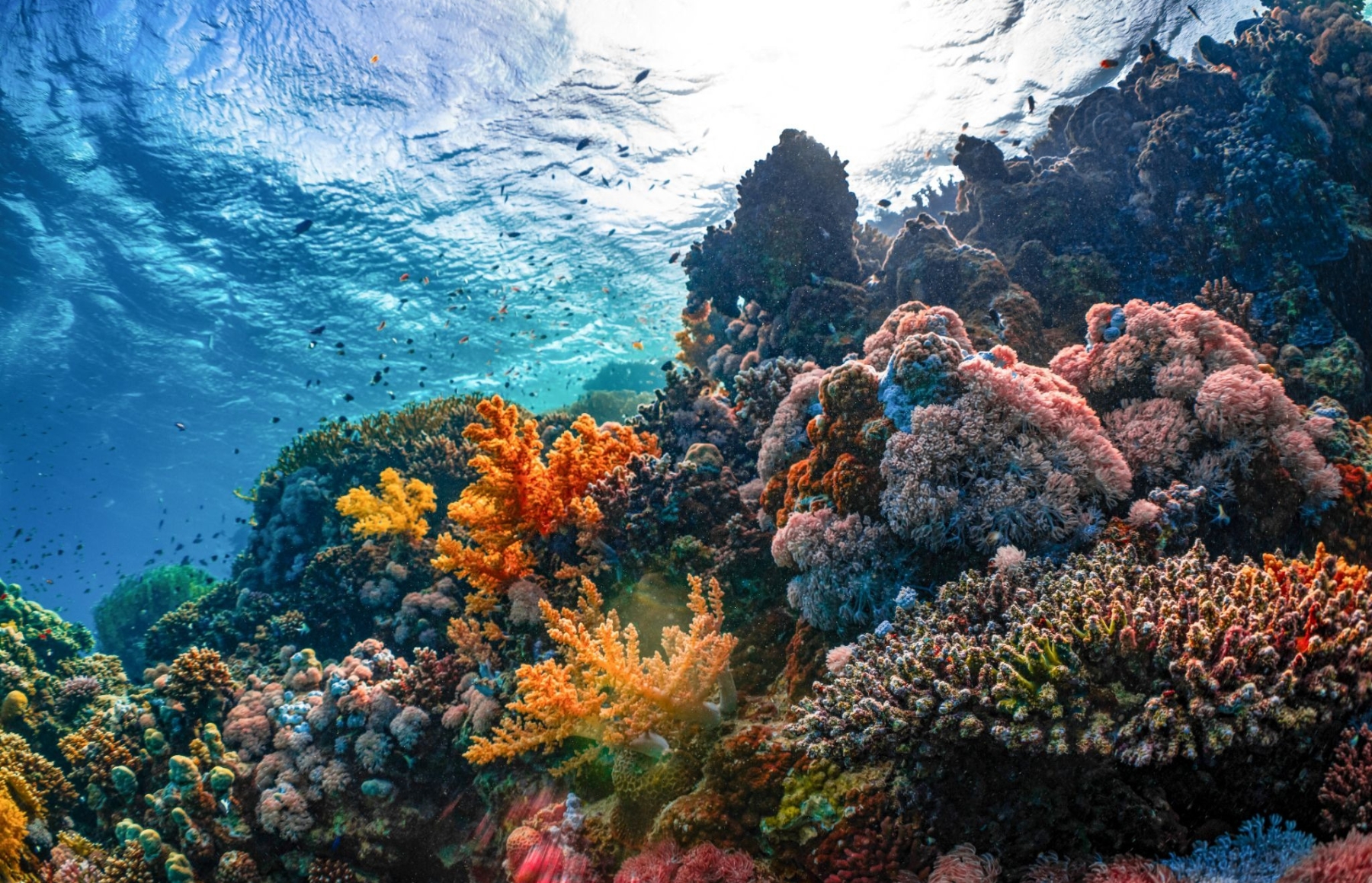
Marine conservation plays an essential role in protecting the reefs, marine life, and underwater ecosystems that make Nusa Lembongan one of Indonesia’s most remarkable diving destinations. Located within the Nusa Penida Marine Protected Area, the region is home to vibrant coral reefs, diverse fish populations, manta rays, sea turtles, and countless other marine species that depend on healthy ocean habitats.
Participating in marine conservation Nusa Lembongan initiatives allows visitors and divers to go beyond recreational diving and gain a deeper understanding of reef protection, marine research, and environmental stewardship. Through conservation-focused activities, participants can contribute to the preservation of local marine ecosystems while learning from experienced conservation professionals and marine educators.
What Is Marine Conservation?
Marine conservation refers to the protection, restoration, and sustainable management of ocean ecosystems and marine life. In Nusa Lembongan, conservation efforts focus on maintaining healthy coral reefs, protecting biodiversity, monitoring marine populations, and supporting long-term ecosystem resilience.
The waters surrounding Nusa Lembongan are part of a globally significant marine environment that supports a wide range of tropical marine species. Conservation initiatives aim to reduce environmental pressures while improving understanding of how reefs and marine habitats function. These efforts help ensure that future generations can continue to enjoy and benefit from healthy oceans.
Why Is It Important?
Nusa Lembongan lies within the Coral Triangle, a region recognized for having some of the highest levels of marine biodiversity on the planet. Its reefs provide essential habitat for countless species while supporting local communities through tourism, fisheries, and environmental services.
Healthy coral reefs also serve as natural barriers that help protect coastlines from erosion and wave damage. Conservation efforts support reef resilience, encourage biodiversity, and contribute to the long-term sustainability of the marine environment that attracts divers and ocean enthusiasts from around the world.
What Threats Do Local Reefs Face?
Like many reef systems worldwide, coral reefs around Nusa Lembongan face a variety of environmental challenges. Rising ocean temperatures, coral bleaching events, marine pollution, and physical damage can all impact reef health and ecosystem stability.
Human activities can also place pressure on marine habitats if not managed responsibly. Conservation programs help address these challenges through education, monitoring, restoration initiatives, and sustainable tourism practices that encourage responsible interaction with the marine environment.
How Does Marine Conservation Work?
Marine conservation combines scientific research, environmental monitoring, habitat restoration, and public education. Rather than relying on a single solution, conservation programs use multiple approaches to understand ecosystem health and support long-term protection efforts.
Many projects involve collaboration between marine biologists, conservation professionals, dive centers, local communities, and visiting participants. This collaborative approach allows valuable data to be collected while promoting awareness of marine environmental issues and practical conservation solutions.
What Conservation Activities Are Available in Nusa Lembongan?
Conservation programs in Nusa Lembongan offer a variety of activities designed to educate participants while contributing to ongoing environmental initiatives. These experiences provide practical insight into marine ecosystems and the work being done to protect them.
Participants may assist with reef restoration, monitoring projects, marine species identification, and conservation-focused education programs. These activities allow individuals to gain hands-on experience while supporting broader conservation goals.
Coral Restoration Programs
Coral restoration focuses on helping damaged reef areas recover through carefully managed rehabilitation projects. Participants may learn how coral nurseries function, how coral fragments are propagated, and how restoration structures support reef regeneration.
These initiatives aim to encourage coral growth and create new habitat for marine species. Over time, successful restoration projects can contribute to healthier and more resilient reef ecosystems.
Reef Monitoring and Surveys
Reef monitoring helps conservation teams understand the health and condition of local marine ecosystems. Participants may learn survey techniques used to assess coral cover, fish populations, and overall reef biodiversity.
Monitoring programs provide valuable information that helps guide conservation strategies and identify changes occurring within the marine environment over time.
Marine Megafauna Identification
Marine conservation programs often include the identification and monitoring of larger marine species such as manta rays, sea turtles, and reef sharks. These animals play important roles within the ecosystem and are valuable indicators of marine health.
Learning species identification techniques can help participants better understand marine biodiversity while contributing to ongoing conservation databases and research efforts.
Conservation Education and Workshops
Education is a key component of marine conservation. Workshops may cover topics such as coral reef ecology, marine biodiversity, conservation challenges, and sustainable ocean management.
These educational sessions provide participants with a greater appreciation for marine ecosystems while helping them understand how individual actions can contribute to ocean protection.
What Is Coral Restoration?
Coral restoration is the process of supporting the recovery of damaged reef areas by cultivating and transplanting healthy coral fragments. Restoration projects are designed to enhance reef resilience and encourage the development of healthy coral communities.
While restoration cannot replace natural reef growth, it can help accelerate recovery in areas affected by environmental stress or physical damage. As coral colonies grow, they provide habitat and shelter for a wide variety of marine species.
What Is Reef Monitoring?
Reef monitoring involves the collection of data used to assess reef health and environmental conditions. Scientists and conservation teams use monitoring programs to track coral coverage, fish populations, biodiversity levels, and signs of environmental change.
Regular monitoring provides valuable information that helps conservation organizations evaluate ecosystem health and make informed decisions regarding marine management and protection efforts.
Can Divers Participate in Conservation Projects?
Yes. Many programs are designed to allow divers to actively participate in conservation activities while expanding their knowledge of marine ecosystems. Participants often learn scientific survey methods, species identification techniques, and reef monitoring practices.
For those interested in a deeper understanding of conservation Lembongan, these experiences provide an opportunity to contribute directly to ongoing environmental initiatives while gaining valuable field experience.
Is Marine Conservation Suitable for Beginners?
Many conservation activities are accessible to individuals with varying levels of experience. Some educational workshops and conservation programs can be enjoyed by non-divers, while others may require snorkeling or scuba diving certification.
Beginners who are passionate about marine life often find conservation programs to be an engaging introduction to reef ecology and environmental protection. Program requirements vary depending on the specific activity and conservation objectives.
What Can You Expect During a Conservation Experience?
A typical conservation experience usually begins with an educational briefing covering marine ecology, conservation goals, and project activities. Participants learn about local ecosystems, species identification, and the importance of protecting marine habitats.
Practical activities may then include reef surveys, restoration projects, marine life identification, or conservation-focused dives. Throughout the experience, participants receive guidance from experienced professionals while gaining insight into real-world conservation efforts.
Who May Benefit From Marine Conservation Programs?
Marine conservation experiences may be suitable for:
- Certified divers interested in marine ecology
- Ocean enthusiasts and environmental advocates
- Students studying marine science or conservation
- Underwater photographers
- Sustainable tourism travelers
- Individuals interested in citizen science projects
- Anyone seeking a deeper understanding of marine ecosystems
Frequently Asked Questions
Conclusion
Marine conservation plays a vital role in preserving the extraordinary marine ecosystems surrounding Nusa Lembongan. Through coral restoration, reef monitoring, marine species identification, and conservation education, these initiatives help protect the reefs and biodiversity that make the region so unique.
Participating in marine conservation Nusa Lembongan activities offers a meaningful opportunity to learn about ocean protection while contributing to the future health of the marine environment. By supporting responsible conservation Lembongan initiatives, visitors can play a small but valuable role in helping protect these remarkable underwater ecosystems for generations to come.
Marine conservation plays an essential role in protecting the reefs, marine life, and underwater ecosystems that make Nusa Lembongan one of Indonesia’s most remarkable diving destinations. Located within the Nusa Penida Marine Protected Area, the region is home to vibrant coral reefs, diverse fish populations, manta rays, sea turtles, and countless other marine species that depend on healthy ocean habitats.
Participating in marine conservation Nusa Lembongan initiatives allows visitors and divers to go beyond recreational diving and gain a deeper understanding of reef protection, marine research, and environmental stewardship. Through conservation-focused activities, participants can contribute to the preservation of local marine ecosystems while learning from experienced conservation professionals and marine educators.
What Is Marine Conservation?
Marine conservation refers to the protection, restoration, and sustainable management of ocean ecosystems and marine life. In Nusa Lembongan, conservation efforts focus on maintaining healthy coral reefs, protecting biodiversity, monitoring marine populations, and supporting long-term ecosystem resilience.
The waters surrounding Nusa Lembongan are part of a globally significant marine environment that supports a wide range of tropical marine species. Conservation initiatives aim to reduce environmental pressures while improving understanding of how reefs and marine habitats function. These efforts help ensure that future generations can continue to enjoy and benefit from healthy oceans.
Why Is It Important?
Nusa Lembongan lies within the Coral Triangle, a region recognized for having some of the highest levels of marine biodiversity on the planet. Its reefs provide essential habitat for countless species while supporting local communities through tourism, fisheries, and environmental services.
Healthy coral reefs also serve as natural barriers that help protect coastlines from erosion and wave damage. Conservation efforts support reef resilience, encourage biodiversity, and contribute to the long-term sustainability of the marine environment that attracts divers and ocean enthusiasts from around the world.
What Threats Do Local Reefs Face?
Like many reef systems worldwide, coral reefs around Nusa Lembongan face a variety of environmental challenges. Rising ocean temperatures, coral bleaching events, marine pollution, and physical damage can all impact reef health and ecosystem stability.
Human activities can also place pressure on marine habitats if not managed responsibly. Conservation programs help address these challenges through education, monitoring, restoration initiatives, and sustainable tourism practices that encourage responsible interaction with the marine environment.
How Does Marine Conservation Work?
Marine conservation combines scientific research, environmental monitoring, habitat restoration, and public education. Rather than relying on a single solution, conservation programs use multiple approaches to understand ecosystem health and support long-term protection efforts.
Many projects involve collaboration between marine biologists, conservation professionals, dive centers, local communities, and visiting participants. This collaborative approach allows valuable data to be collected while promoting awareness of marine environmental issues and practical conservation solutions.
What Conservation Activities Are Available in Nusa Lembongan?
Conservation programs in Nusa Lembongan offer a variety of activities designed to educate participants while contributing to ongoing environmental initiatives. These experiences provide practical insight into marine ecosystems and the work being done to protect them.
Participants may assist with reef restoration, monitoring projects, marine species identification, and conservation-focused education programs. These activities allow individuals to gain hands-on experience while supporting broader conservation goals.
Coral Restoration Programs
Coral restoration focuses on helping damaged reef areas recover through carefully managed rehabilitation projects. Participants may learn how coral nurseries function, how coral fragments are propagated, and how restoration structures support reef regeneration.
These initiatives aim to encourage coral growth and create new habitat for marine species. Over time, successful restoration projects can contribute to healthier and more resilient reef ecosystems.
Reef Monitoring and Surveys
Reef monitoring helps conservation teams understand the health and condition of local marine ecosystems. Participants may learn survey techniques used to assess coral cover, fish populations, and overall reef biodiversity.
Monitoring programs provide valuable information that helps guide conservation strategies and identify changes occurring within the marine environment over time.
Marine Megafauna Identification
Marine conservation programs often include the identification and monitoring of larger marine species such as manta rays, sea turtles, and reef sharks. These animals play important roles within the ecosystem and are valuable indicators of marine health.
Learning species identification techniques can help participants better understand marine biodiversity while contributing to ongoing conservation databases and research efforts.
Conservation Education and Workshops
Education is a key component of marine conservation. Workshops may cover topics such as coral reef ecology, marine biodiversity, conservation challenges, and sustainable ocean management.
These educational sessions provide participants with a greater appreciation for marine ecosystems while helping them understand how individual actions can contribute to ocean protection.
What Is Coral Restoration?
Coral restoration is the process of supporting the recovery of damaged reef areas by cultivating and transplanting healthy coral fragments. Restoration projects are designed to enhance reef resilience and encourage the development of healthy coral communities.
While restoration cannot replace natural reef growth, it can help accelerate recovery in areas affected by environmental stress or physical damage. As coral colonies grow, they provide habitat and shelter for a wide variety of marine species.
What Is Reef Monitoring?
Reef monitoring involves the collection of data used to assess reef health and environmental conditions. Scientists and conservation teams use monitoring programs to track coral coverage, fish populations, biodiversity levels, and signs of environmental change.
Regular monitoring provides valuable information that helps conservation organizations evaluate ecosystem health and make informed decisions regarding marine management and protection efforts.
Can Divers Participate in Conservation Projects?
Yes. Many programs are designed to allow divers to actively participate in conservation activities while expanding their knowledge of marine ecosystems. Participants often learn scientific survey methods, species identification techniques, and reef monitoring practices.
For those interested in a deeper understanding of conservation Lembongan, these experiences provide an opportunity to contribute directly to ongoing environmental initiatives while gaining valuable field experience.
Is Marine Conservation Suitable for Beginners?
Many conservation activities are accessible to individuals with varying levels of experience. Some educational workshops and conservation programs can be enjoyed by non-divers, while others may require snorkeling or scuba diving certification.
Beginners who are passionate about marine life often find conservation programs to be an engaging introduction to reef ecology and environmental protection. Program requirements vary depending on the specific activity and conservation objectives.
What Can You Expect During a Conservation Experience?
A typical conservation experience usually begins with an educational briefing covering marine ecology, conservation goals, and project activities. Participants learn about local ecosystems, species identification, and the importance of protecting marine habitats.
Practical activities may then include reef surveys, restoration projects, marine life identification, or conservation-focused dives. Throughout the experience, participants receive guidance from experienced professionals while gaining insight into real-world conservation efforts.
Who May Benefit From Marine Conservation Programs?
Marine conservation experiences may be suitable for:
- Certified divers interested in marine ecology
- Ocean enthusiasts and environmental advocates
- Students studying marine science or conservation
- Underwater photographers
- Sustainable tourism travelers
- Individuals interested in citizen science projects
- Anyone seeking a deeper understanding of marine ecosystems
Frequently Asked Questions
Conclusion
Marine conservation plays a vital role in preserving the extraordinary marine ecosystems surrounding Nusa Lembongan. Through coral restoration, reef monitoring, marine species identification, and conservation education, these initiatives help protect the reefs and biodiversity that make the region so unique.
Participating in marine conservation Nusa Lembongan activities offers a meaningful opportunity to learn about ocean protection while contributing to the future health of the marine environment. By supporting responsible conservation Lembongan initiatives, visitors can play a small but valuable role in helping protect these remarkable underwater ecosystems for generations to come.
Join our mailing list today
Join our community! Subscribe to our blog for fresh content delivered straight to your inbox
Be part of our community and stay updated with the latest insights! Subscribe to our blog for fresh news, tips, and insights delivered straight to your inbox. Join us on our journey and be the first to know about our updates, events, and special offers. Don't miss out!
Join our mailing list today
Join our community! Subscribe to our blog for fresh content delivered straight to your inbox
Be part of our community and stay updated with the latest insights! Subscribe to our blog for fresh news, tips, and insights delivered straight to your inbox. Join us on our journey and be the first to know about our updates, events, and special offers. Don't miss out!