What Is Mangrove Dive Site?
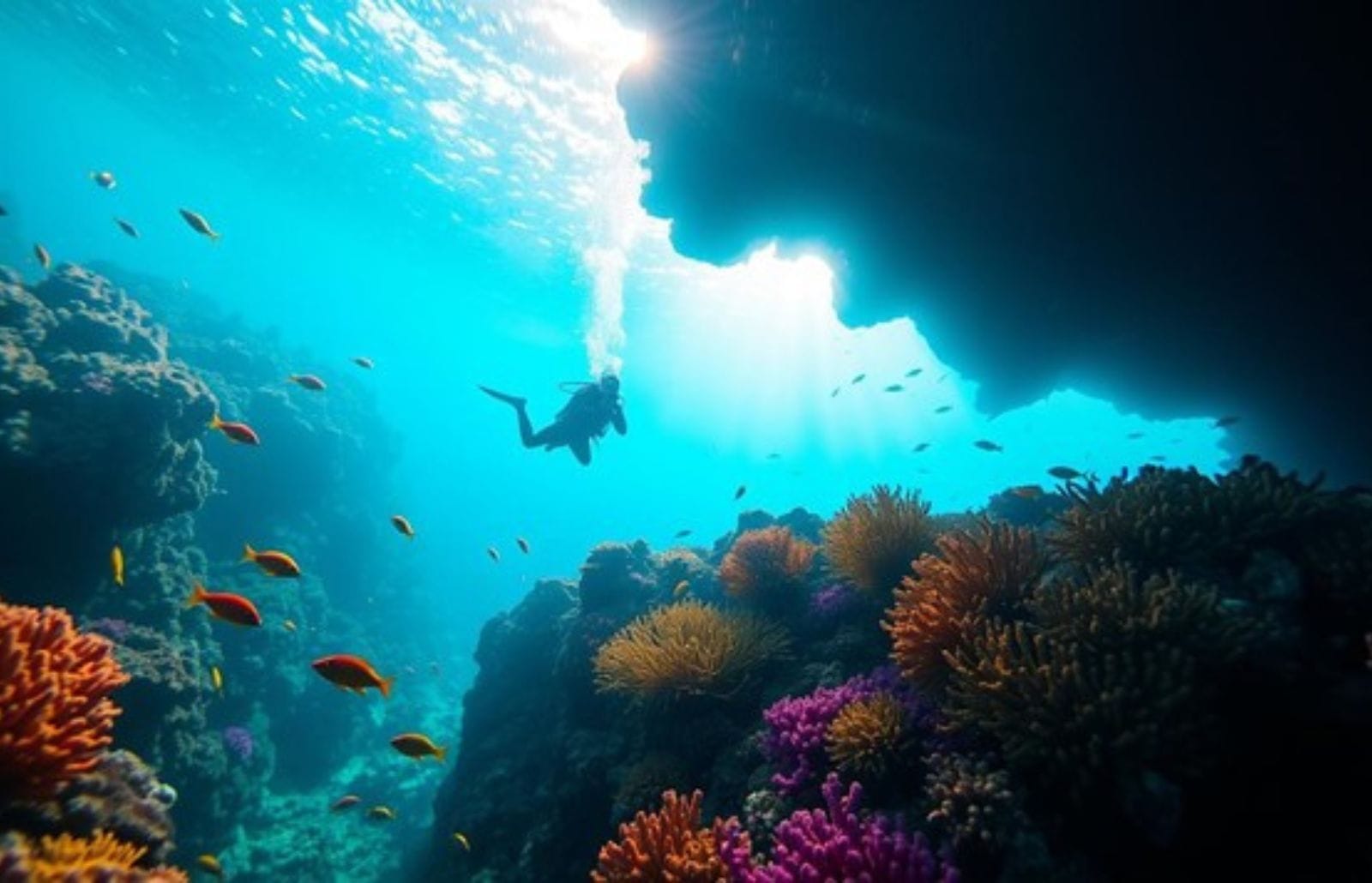
Mangrove is one of the most popular dive sites around Nusa Lembongan, known for its colorful coral gardens, gentle drift dives, and abundant marine life. Located along the island’s northern coastline near the mangrove forest, the site benefits from nutrient-rich water that supports a thriving reef ecosystem.
The combination of healthy corals, excellent visibility, and diverse marine species makes Mangrove a favorite among underwater photographers, beginner divers, and experienced divers alike.
Where Is Mangrove Dive Site Located?
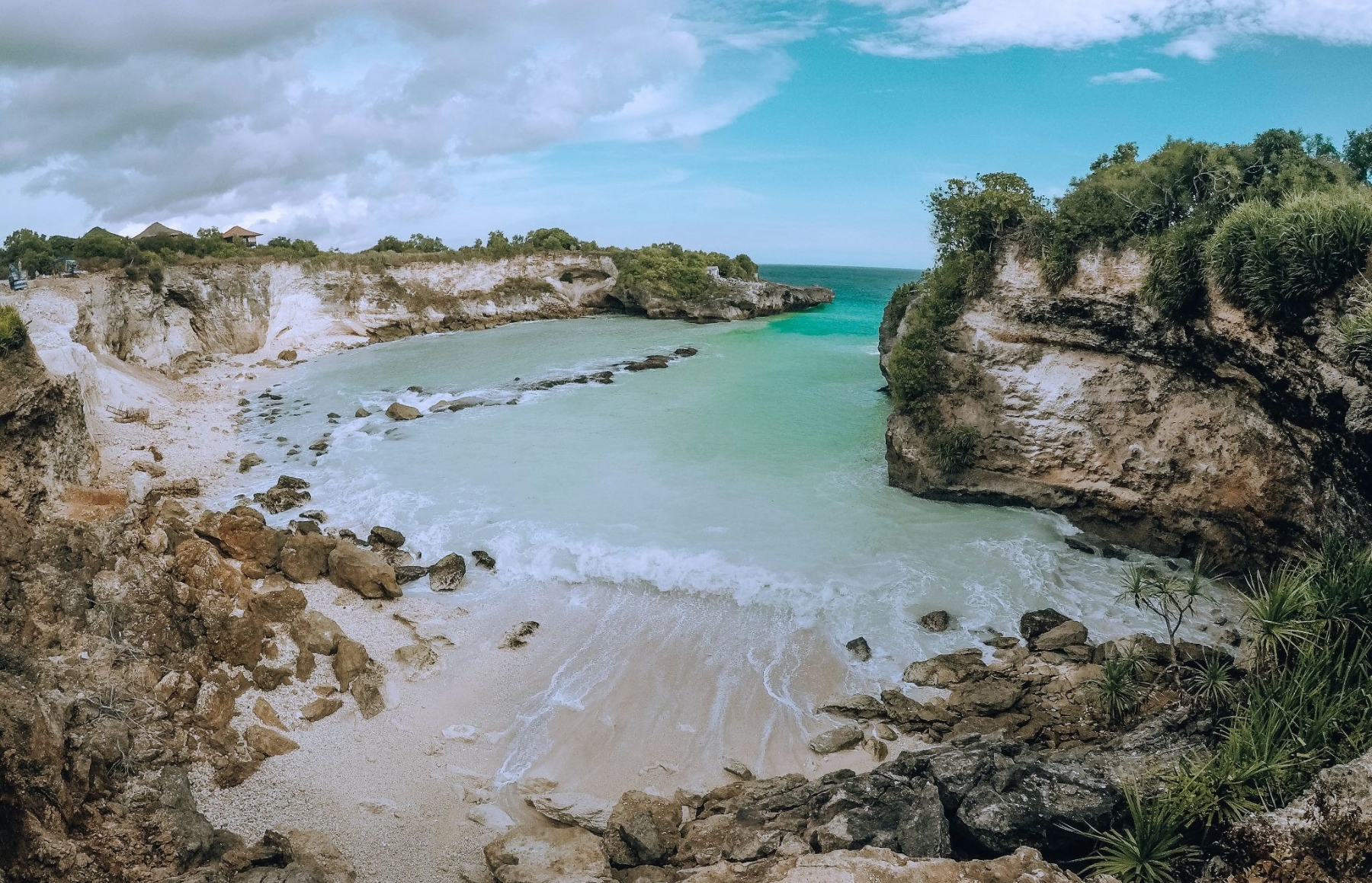
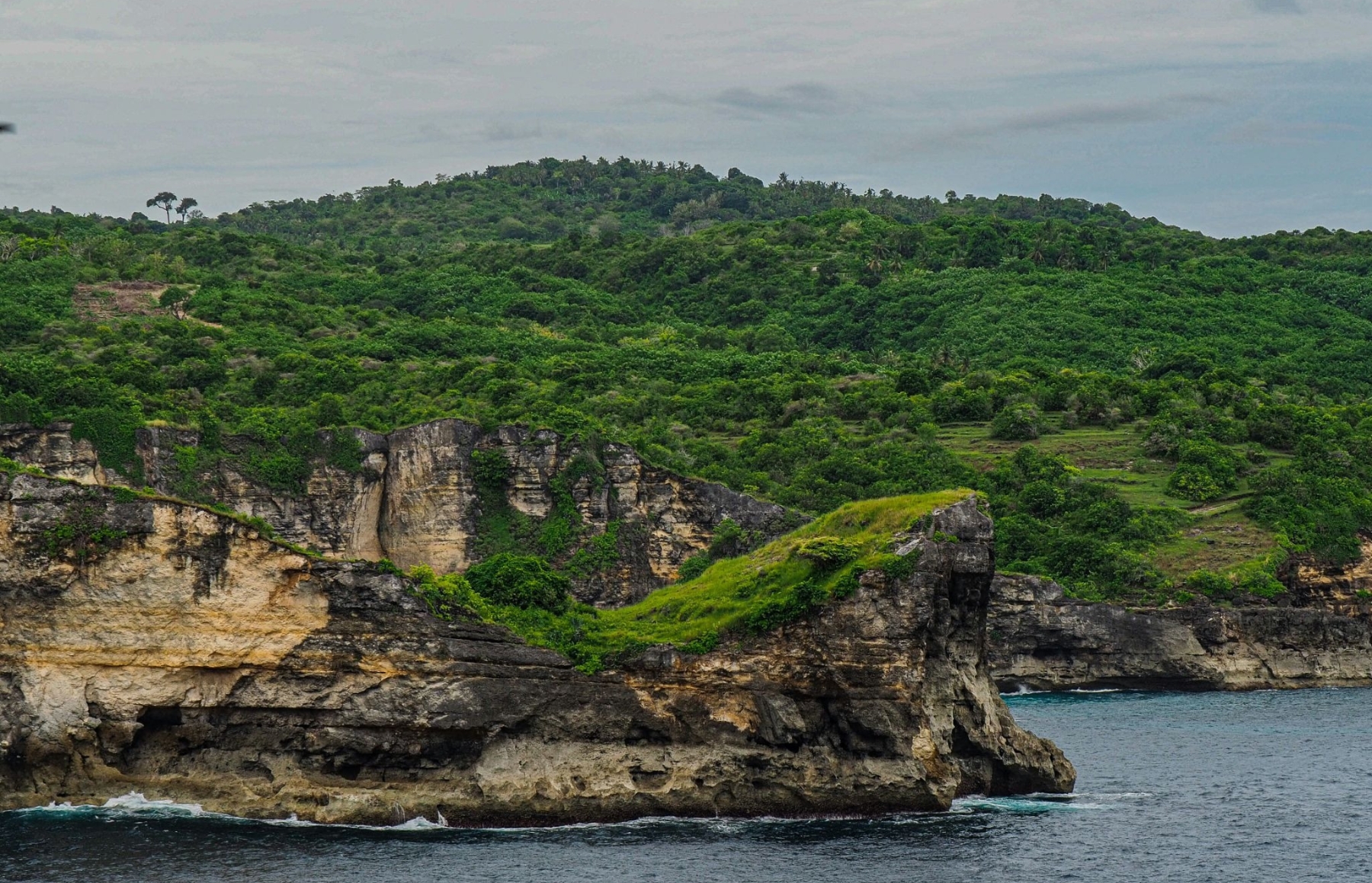
Mangrove is located on the northern side of Nusa Lembongan, close to the island’s extensive mangrove forest.
The site forms part of the Nusa Penida Marine Protected Area and sits within a region influenced by tidal currents flowing between Nusa Lembongan, Nusa Penida, and the open ocean. These currents help deliver nutrients that support one of the healthiest reef systems in the area.
Its sheltered location and vibrant reef environment make it one of the most frequently visited dive sites around Nusa Lembongan.
Why Is Mangrove Famous?
Mangrove is famous for its colorful coral gardens, relaxed drift diving, and rich marine biodiversity.
Unlike some dive sites that focus on large pelagic species or challenging currents, Mangrove is best known for providing a balanced diving experience. Divers can enjoy healthy reef ecosystems, large schools of fish, and comfortable drifting conditions while exploring one of the most visually impressive coral reefs in the Nusa Islands.
Its accessibility and biodiversity make it a popular choice for divers of all experience levels.
What Is the Underwater Topography Like?
Mangrove features a gently sloping reef plateau that ranges from approximately 10 meters to 25 meters in depth.
The reef is covered with coral formations, sponges, and marine life habitats that extend across a wide underwater landscape. Rather than dramatic walls or steep drop-offs, the site offers a more gradual reef structure that allows divers to comfortably explore the area while drifting with the current.
The expansive reef system provides plenty of opportunities to observe marine life throughout the dive.
What Corals Can You See at Mangrove?
Mangrove is widely regarded as one of the healthiest coral reef dive sites around Nusa Lembongan.
Divers may encounter:
- Table corals
- Soft corals
- Coral gardens
- Reef formations
- Sponges
- Coral bommies
The extensive coral coverage creates a colorful underwater environment and supports a wide variety of marine species.
What Marine Life Can You See at Mangrove?
Mangrove supports an impressive diversity of reef life.
Common sightings include:
- Green sea turtles
- Reef sharks
- Barracuda
- Giant trevallies
- Moray eels
- Triggerfish
- Pufferfish
- Schools of anthias
- Sweetlips
- Nudibranchs
- Batfish
- Stingrays
The healthy reef system attracts both resident reef species and larger fish that move through the area with the currents.
Why Is Marine Life So Diverse at Mangrove?
The reef benefits from nutrient-rich water flowing through the channels surrounding Nusa Lembongan and Nusa Penida.
These nutrients support plankton growth, which helps sustain a healthy food chain throughout the reef ecosystem. As a result, Mangrove attracts a wide variety of fish, invertebrates, and larger marine species.
The combination of coral habitat and nutrient availability creates ideal conditions for marine biodiversity.
Can You See Sea Turtles at Mangrove?
Yes, green sea turtles are among the most frequently encountered animals at Mangrove.
Turtles are often seen resting around coral formations, feeding on reef vegetation, or swimming slowly across the reef plateau. For many divers, turtle encounters are one of the highlights of visiting the site.
Because the reef provides suitable habitat and food sources, turtle sightings are relatively common.
Can You See Reef Sharks at Mangrove?
Reef sharks are occasionally encountered at Mangrove.
Although sightings are not guaranteed, divers may spot reef sharks cruising along deeper sections of the reef or passing through the blue water. These encounters add excitement to dives that are already rich in marine life.
Is Mangrove a Drift Dive?
Yes, Mangrove is commonly dived as a drift dive.
The current allows divers to move effortlessly along the reef while observing coral formations and marine life. Depending on tidal conditions, the drift may be slow and relaxing or faster and more dynamic.
This natural movement enables divers to cover large sections of the reef during a single dive.
How Strong Are the Currents at Mangrove?
Current strength at Mangrove can vary considerably depending on tides and ocean conditions.
Conditions may range from:
- Gentle drift conditions
- Moderate current
- Strong current-assisted diving
The site’s flexibility means it can offer relaxed dives on some days and more energetic drift dives on others.
Local dive professionals typically choose entry points and dive plans based on the day’s current conditions.
Is Mangrove Suitable for Beginner Divers?
Mangrove can be an excellent dive site for beginner divers when conditions are favorable.
The site’s moderate depth, healthy reef structure, and often gentle currents create a comfortable environment for less experienced divers. Calm days can provide easy drifting and relaxed reef exploration.
However, stronger tidal movement may require additional experience and confidence underwater.
Is Mangrove Good for Experienced Divers?
Experienced divers enjoy Mangrove for its biodiversity, photography opportunities, and changing drift conditions.
While the site may appear gentle compared to some of Nusa Penida’s more challenging dive sites, the abundance of marine life and healthy coral formations make it highly rewarding for advanced divers as well.
Many experienced divers return specifically to photograph the reef and fish life.
How Deep Is Mangrove?
Mangrove ranges from approximately 10 meters to depths beyond 25 meters.
Most dives remain within recreational diving limits while exploring the reef plateau and slope. The moderate depth profile makes the site accessible to a wide range of certification levels.
What Is the Visibility Like at Mangrove?
Visibility at Mangrove is often excellent.
Clear water frequently allows divers to enjoy expansive views of the reef and observe marine life from a distance. Visibility may become slightly reduced during stronger tides or changing ocean conditions, but it generally remains favorable for reef diving.
Excellent visibility is one of the reasons underwater photographers enjoy the site.
What Are the Water Temperatures at Mangrove?
Water temperatures typically range between 20°C and 28°C, with an average temperature of approximately 25°C.
Seasonal changes and ocean currents can influence temperatures throughout the year. Divers may occasionally experience cooler water during periods of ocean upwelling.
What Types of Diving Are Available at Mangrove?
Mangrove offers several styles of diving.
Drift Diving
The site’s most popular diving style, allowing divers to glide effortlessly along the reef.
Reef Diving
Healthy coral gardens and diverse marine life make it one of the best reef dives around Nusa Lembongan.
Beginner Scuba Diving
Calm conditions can create an accessible environment for newer divers.
Advanced Scuba Diving
Stronger currents and extensive reef exploration opportunities appeal to experienced divers.
What Makes Mangrove Different From Other Nusa Lembongan Dive Sites?
Mangrove stands out because of its combination of healthy coral reefs, rich biodiversity, and enjoyable drift diving.
While some nearby dive sites are known for dramatic currents, pelagic encounters, or deep walls, Mangrove focuses on reef quality and marine life density. The site offers a colorful and relaxing diving experience without sacrificing biodiversity.
Its balance of accessibility and marine life is what makes it one of the region’s most consistently popular dive sites.
Is Mangrove Worth Diving?
Many divers consider Mangrove one of the best all-around dive sites in Nusa Lembongan.
The combination of healthy coral gardens, excellent visibility, drift diving opportunities, and diverse marine life creates a rewarding underwater experience for virtually every type of diver. Whether you’re interested in underwater photography, marine biology, or simply enjoying a beautiful reef dive, Mangrove consistently delivers memorable encounters.
Frequently Asked Questions
Conclusion
Mangrove is one of Nusa Lembongan’s most beautiful and accessible dive sites, offering healthy coral reefs, excellent visibility, and an incredible diversity of marine life. Its combination of colorful underwater scenery and relaxed drift diving conditions makes it suitable for a wide range of divers.
Whether you’re looking to photograph vibrant coral gardens, encounter sea turtles, or enjoy one of the island’s most enjoyable drift dives, exploring Mangrove with Legend Diving provides an unforgettable introduction to the underwater world of the Nusa Islands.
What Is Mangrove Dive Site?
Mangrove is one of the most popular dive sites around Nusa Lembongan, known for its colorful coral gardens, gentle drift dives, and abundant marine life. Located along the island’s northern coastline near the mangrove forest, the site benefits from nutrient-rich water that supports a thriving reef ecosystem.
The combination of healthy corals, excellent visibility, and diverse marine species makes Mangrove a favorite among underwater photographers, beginner divers, and experienced divers alike.
Where Is Mangrove Dive Site Located?
Mangrove is located on the northern side of Nusa Lembongan, close to the island’s extensive mangrove forest.
The site forms part of the Nusa Penida Marine Protected Area and sits within a region influenced by tidal currents flowing between Nusa Lembongan, Nusa Penida, and the open ocean. These currents help deliver nutrients that support one of the healthiest reef systems in the area.
Its sheltered location and vibrant reef environment make it one of the most frequently visited dive sites around Nusa Lembongan.
Why Is Mangrove Famous?
Mangrove is famous for its colorful coral gardens, relaxed drift diving, and rich marine biodiversity.
Unlike some dive sites that focus on large pelagic species or challenging currents, Mangrove is best known for providing a balanced diving experience. Divers can enjoy healthy reef ecosystems, large schools of fish, and comfortable drifting conditions while exploring one of the most visually impressive coral reefs in the Nusa Islands.
Its accessibility and biodiversity make it a popular choice for divers of all experience levels.
What Is the Underwater Topography Like?
Mangrove features a gently sloping reef plateau that ranges from approximately 10 meters to 25 meters in depth.
The reef is covered with coral formations, sponges, and marine life habitats that extend across a wide underwater landscape. Rather than dramatic walls or steep drop-offs, the site offers a more gradual reef structure that allows divers to comfortably explore the area while drifting with the current.
The expansive reef system provides plenty of opportunities to observe marine life throughout the dive.
What Corals Can You See at Mangrove?
Mangrove is widely regarded as one of the healthiest coral reef dive sites around Nusa Lembongan.
Divers may encounter:
- Table corals
- Soft corals
- Coral gardens
- Reef formations
- Sponges
- Coral bommies
The extensive coral coverage creates a colorful underwater environment and supports a wide variety of marine species.
What Marine Life Can You See at Mangrove?
Mangrove supports an impressive diversity of reef life.
Common sightings include:
- Green sea turtles
- Reef sharks
- Barracuda
- Giant trevallies
- Moray eels
- Triggerfish
- Pufferfish
- Schools of anthias
- Sweetlips
- Nudibranchs
- Batfish
- Stingrays
The healthy reef system attracts both resident reef species and larger fish that move through the area with the currents.
Why Is Marine Life So Diverse at Mangrove?
The reef benefits from nutrient-rich water flowing through the channels surrounding Nusa Lembongan and Nusa Penida.
These nutrients support plankton growth, which helps sustain a healthy food chain throughout the reef ecosystem. As a result, Mangrove attracts a wide variety of fish, invertebrates, and larger marine species.
The combination of coral habitat and nutrient availability creates ideal conditions for marine biodiversity.
Can You See Sea Turtles at Mangrove?
Yes, green sea turtles are among the most frequently encountered animals at Mangrove.
Turtles are often seen resting around coral formations, feeding on reef vegetation, or swimming slowly across the reef plateau. For many divers, turtle encounters are one of the highlights of visiting the site.
Because the reef provides suitable habitat and food sources, turtle sightings are relatively common.
Can You See Reef Sharks at Mangrove?
Reef sharks are occasionally encountered at Mangrove.
Although sightings are not guaranteed, divers may spot reef sharks cruising along deeper sections of the reef or passing through the blue water. These encounters add excitement to dives that are already rich in marine life.
Is Mangrove a Drift Dive?
Yes, Mangrove is commonly dived as a drift dive.
The current allows divers to move effortlessly along the reef while observing coral formations and marine life. Depending on tidal conditions, the drift may be slow and relaxing or faster and more dynamic.
This natural movement enables divers to cover large sections of the reef during a single dive.
How Strong Are the Currents at Mangrove?
Current strength at Mangrove can vary considerably depending on tides and ocean conditions.
Conditions may range from:
- Gentle drift conditions
- Moderate current
- Strong current-assisted diving
The site’s flexibility means it can offer relaxed dives on some days and more energetic drift dives on others.
Local dive professionals typically choose entry points and dive plans based on the day’s current conditions.
Is Mangrove Suitable for Beginner Divers?
Mangrove can be an excellent dive site for beginner divers when conditions are favorable.
The site’s moderate depth, healthy reef structure, and often gentle currents create a comfortable environment for less experienced divers. Calm days can provide easy drifting and relaxed reef exploration.
However, stronger tidal movement may require additional experience and confidence underwater.
Is Mangrove Good for Experienced Divers?
Experienced divers enjoy Mangrove for its biodiversity, photography opportunities, and changing drift conditions.
While the site may appear gentle compared to some of Nusa Penida’s more challenging dive sites, the abundance of marine life and healthy coral formations make it highly rewarding for advanced divers as well.
Many experienced divers return specifically to photograph the reef and fish life.
How Deep Is Mangrove?
Mangrove ranges from approximately 10 meters to depths beyond 25 meters.
Most dives remain within recreational diving limits while exploring the reef plateau and slope. The moderate depth profile makes the site accessible to a wide range of certification levels.
What Is the Visibility Like at Mangrove?
Visibility at Mangrove is often excellent.
Clear water frequently allows divers to enjoy expansive views of the reef and observe marine life from a distance. Visibility may become slightly reduced during stronger tides or changing ocean conditions, but it generally remains favorable for reef diving.
Excellent visibility is one of the reasons underwater photographers enjoy the site.
What Are the Water Temperatures at Mangrove?
Water temperatures typically range between 20°C and 28°C, with an average temperature of approximately 25°C.
Seasonal changes and ocean currents can influence temperatures throughout the year. Divers may occasionally experience cooler water during periods of ocean upwelling.
What Types of Diving Are Available at Mangrove?
Mangrove offers several styles of diving.
Drift Diving
The site’s most popular diving style, allowing divers to glide effortlessly along the reef.
Reef Diving
Healthy coral gardens and diverse marine life make it one of the best reef dives around Nusa Lembongan.
Beginner Scuba Diving
Calm conditions can create an accessible environment for newer divers.
Advanced Scuba Diving
Stronger currents and extensive reef exploration opportunities appeal to experienced divers.
What Makes Mangrove Different From Other Nusa Lembongan Dive Sites?
Mangrove stands out because of its combination of healthy coral reefs, rich biodiversity, and enjoyable drift diving.
While some nearby dive sites are known for dramatic currents, pelagic encounters, or deep walls, Mangrove focuses on reef quality and marine life density. The site offers a colorful and relaxing diving experience without sacrificing biodiversity.
Its balance of accessibility and marine life is what makes it one of the region’s most consistently popular dive sites.
Is Mangrove Worth Diving?
Many divers consider Mangrove one of the best all-around dive sites in Nusa Lembongan.
The combination of healthy coral gardens, excellent visibility, drift diving opportunities, and diverse marine life creates a rewarding underwater experience for virtually every type of diver. Whether you’re interested in underwater photography, marine biology, or simply enjoying a beautiful reef dive, Mangrove consistently delivers memorable encounters.
Frequently Asked Questions
Conclusion
Mangrove is one of Nusa Lembongan’s most beautiful and accessible dive sites, offering healthy coral reefs, excellent visibility, and an incredible diversity of marine life. Its combination of colorful underwater scenery and relaxed drift diving conditions makes it suitable for a wide range of divers.
Whether you’re looking to photograph vibrant coral gardens, encounter sea turtles, or enjoy one of the island’s most enjoyable drift dives, exploring Mangrove with Legend Diving provides an unforgettable introduction to the underwater world of the Nusa Islands.

Join our mailing list today
Join our community! Subscribe to our blog for fresh content delivered straight to your inbox
Be part of our community and stay updated with the latest insights! Subscribe to our blog for fresh news, tips, and insights delivered straight to your inbox. Join us on our journey and be the first to know about our updates, events, and special offers. Don't miss out!
Join our mailing list today
Join our community! Subscribe to our blog for fresh content delivered straight to your inbox
Be part of our community and stay updated with the latest insights! Subscribe to our blog for fresh news, tips, and insights delivered straight to your inbox. Join us on our journey and be the first to know about our updates, events, and special offers. Don't miss out!